Executive Order, Tax Relief, and Expanded Resources Aim to Cut Red Tape, Reduce Costs, and Fuel Recovery
Seattle—Today, Mayor Harrell, joined by Council President Sara Nelson, Office of Economic Development Director Markham McIntyre, and local small business owners, announced new and expanded investments in his 2026 proposed budget — along with key policy reforms — designed to make it easier, faster, and more affordable to start, grow, and sustain a business in Seattle.
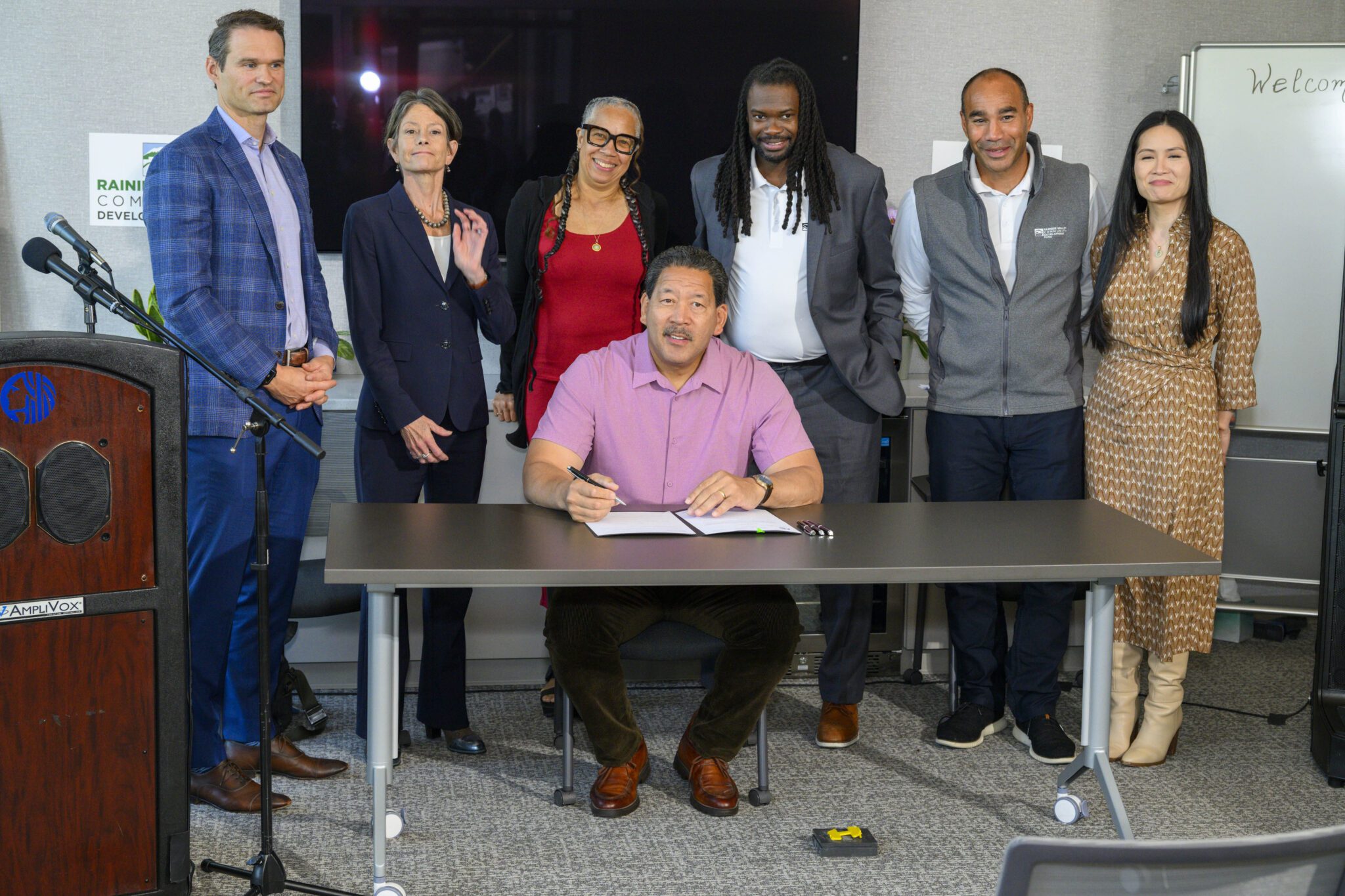
Mayor Harrell detailed a package of policies focused on supporting small businesses that streamlines permitting, includes a proposal to rewrite the City’s Business and Occupation (B&O) tax exempting 90% of small- and medium sized businesses from the tax, and expands the Back to Business program with a $5 million funding request over two years. The mayor signed legislation he proposed to make permitting easier for small businesses and highlighted City efforts that supported state-backed increases to Sound Transit 3 relocation reimbursements.
“Seattle’s small businesses are the heart of our neighborhoods and the backbone of our economy,” said Mayor Bruce Harrell. “By cutting red tape, lowering costs for small businesses, and expanding access to capital, we’re helping entrepreneurs open, grow, and keep our communities vibrant.”
The Permitting Accountability and Customer Trust (PACT) Executive Order creates faster, clearer permitting processes, including an online guide in multiple languages and a pilot AI tool to cut application errors and processing times. The B&O tax code rewrite would reduce or eliminate taxes for 90% of Seattle’s small and medium-sized businesses while providing progressive revenue to address federal funding cuts and maintaining essential city services. New legislation also shortens timelines and reduces costs for businesses leasing long-vacant spaces, while ST3 relocation support will increase from $50,000 to $200,000 under HB 1733.
“Small businesses are at a tipping point for survival in Seattle for multiple reasons. Our small businesses define our city’s character — they shape our neighborhoods, power our economy, and reflect and enhance our culture. The City needs to act to ensure small businesses survive and thrive,” said Director Markham McIntyre. “We listened to what small businesses need right now and we have delivered results. There’s more to do, but this package demonstrates that we are listening and we are acting.”
The end result is tax and permitting reforms that reduce barriers and cut red tape, direct support to businesses impacted by vandalism, and access to preventative resources, and expanded city investments tailored to the needs of local entrepreneurs.
City leaders encourage residents to learn more and access small business resources at Seattle Office of Economic Development. Council consideration of the tax proposal and Back to Business funding is expected in the coming weeks.
What People Are Saying:
Council President Sara Nelson (Position 9)
“It’s not enough to get our Seattle entrepreneurs and workers back to business—we have to keep them here. This package of reforms and critical investment shows our urgent commitment to supporting local businesses – something I’ve worked hard for during my time on the Council. I am proud of all of the work we have done to help small businesses, and I am thrilled to see the level of investments in small businesses the Mayor has proposed for the 2026 budget. I want to thank the Mayor’s Office and our local business community for their partnership in this work. Moving forward I will continue to fight for more no-brainer changes like these, while also exploring new innovative solutions.”
Kevin Wallace, President, Wallace Properties
“Wallace Properties builds and owns apartment and retail buildings in Seattle. We are grateful for the formation of Mayor Harrell’s Permitting and Customer Trust Team, and look forward to collaborating with them to find balanced solutions that reduce the time, risk and cost of building homes and opening retail businesses in the City.”
Leah Martin, Partner and Architect, Allied8
“As a small business that designs and develops missing middle affordable homeownership projects, this executive order will empower us and other small businesses like ours. As we encounter regulatory hurdles in the future, we can point directly to this executive order. It will give a voice to small businesses dedicated to the making of affordable housing.”
Keith Tucker, Founder and Executive Director, Hip Hop Is Green
“Through our urban teaching farm, young people gain insights into ecology, the effects of climate change, and hands-on experience growing food. We faced significant hurdles and multiple delays during the permitting process for Cherry Street Farm, which ultimately drove up our costs. The City’s increased support for innovative projects like Cherry Street Farm is essential in overcoming such obstacles, ensuring that we can continue to serve our community and promote sustainable practices.”